There’s something pretty satisfying about pulling off a dinner that ticks all the boxes—quick, tasty, good for you, and no one complains. But let’s be honest, during the week, the wheels can fall off. Between school drop-offs, last-minute footy practice, and empty fridges, dinner can start to feel like one more thing on the never-ending list.
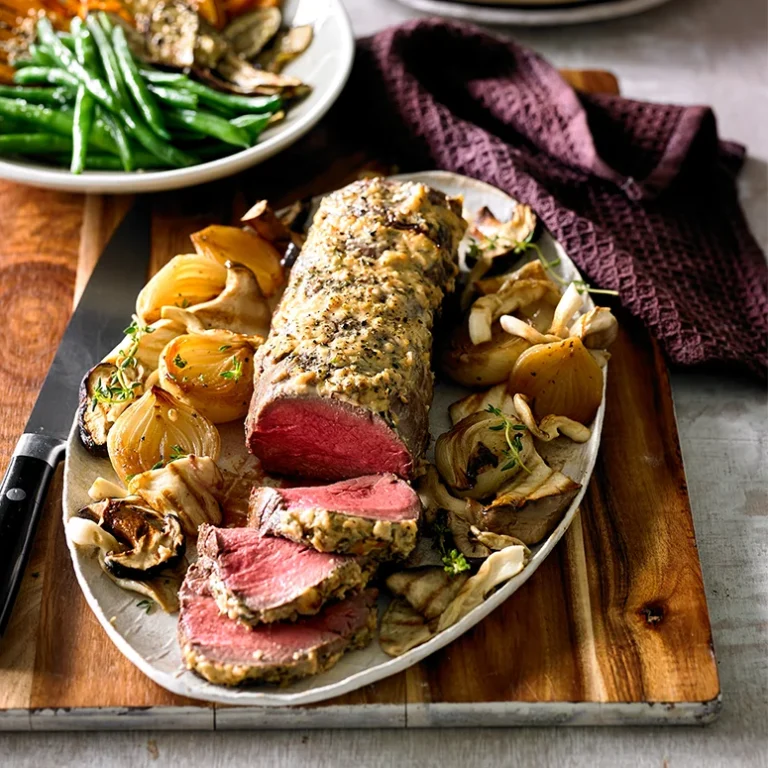
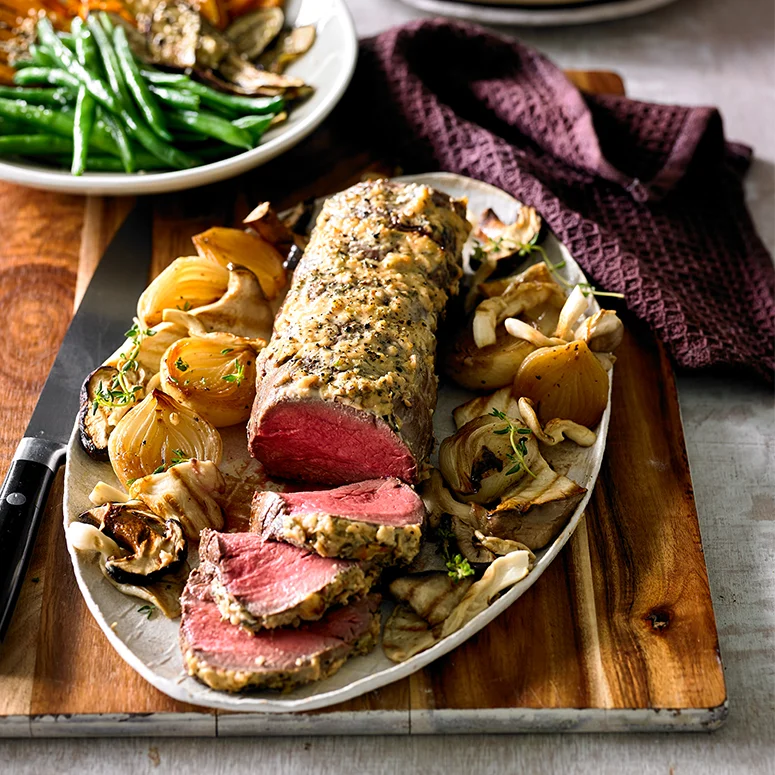
That’s where grass-fed roast beef fillet really earns its spot in your weekly routine. It’s fast, it’s simple, and—bonus—it actually feels like a bit of a treat. Throw in some mushrooms and a tangy horseradish sauce and you’ve got something that sounds fancy but doesn’t require a Sunday-level effort. And yeah, it might even impress the kids.
We’re going to walk through why this cut works so well for families, why it’s not just about nutrition (although it’s got that covered), and how it can make your life a little easier—starting with one very important point: protein that kids will actually eat without needing a bribe.
Lean, High-Quality Protein That Gets Eaten, Not Negotiated
If you’ve ever had a standoff over a plate of steak, you’ll know that not all protein is created equal—especially when it comes to what kids will actually chew and swallow without dramatic sighing. Grass-fed beef fillet is super tender, so it pretty much melts in the mouth, and it’s packed with the good stuff growing bodies need.
Here’s what you’re working on within a 150 g portion:
- Around 35 g of proper, complete protein
- Iron that actually gets absorbed (we’re talking haem iron, not the tricky-to-use kind from plants)
- Zinc for keeping colds at bay and helping little scrapes heal
- B vitamins, including B12, which helps with energy and focus
Because the muscle doesn’t do a whole lot of work, the meat stays naturally soft—no marinating, no stewing for hours. It’s easy to chew, which means less pushing food around the plate and more actual eating. And the lean nature of grass-fed cuts means it’s giving you all the good stuff without piling on unnecessary fat.
The Kind of Fat You Want on Your Plate
We hear so much about cutting back on fat, but not all fats are the enemy. In fact, the ones in grass-fed beef are more or less the good guys. These animals aren’t fed grain to fatten them up—they graze on grass, which changes the whole nutritional story.
The result? You get higher levels of omega-3s and CLA (Conjugated linoleic acid may sound complex, but it benefits your heart and brain.). Omega-3s can help with focus and inflammation, and CLA has been linked to keeping a healthy balance of lean body mass.
If your family doesn’t love fish, this is a clever way to sneak in those brain-boosting fats. And there’s no fishy smell or taste to battle with. Just juicy, beefy goodness.
A quick tip: don’t overcook it. A hot sear and a short roast in the oven will do the job—helping those helpful fats stay intact, and the texture stays perfect.
From Fridge to Table in Under 45 Minutes
This recipe is a lifesaver mid-week. If you can heat a pan and turn on the oven, you can make this work. Ten minutes to sear, twenty minutes to roast, and ten to let it rest. That’s dinner, done. No need to stress about complicated recipes or long cooking times.
While it’s finishing up in the oven, toss the mushrooms onto the tray and let them soak up all that juicy goodness. Stir up your horseradish yoghurt in the meantime.
No fiddling, no faff, just a good, hearty dinner without turning the kitchen upside down.
It’s got all the best bits of a Sunday roast, just on a weeknight timeline.
Sneaky Veg That Actually Gets Eaten
Mushrooms don’t always win popularity contests with kids, but roasting them in the beef juices? That changes the game. They come out golden, juicy, and full of flavour—not mushy, not bland, just tasty little sponges that soak up the roast like they were made for it.
They also come with a healthy dose of fibre, selenium, and B vitamins, so they’re pulling their weight in the nutrition department too.
And then there’s the sauce. Horseradish can sound intense, but mellowed with Greek yoghurt, it turns into a creamy, tangy topping that’s just as welcome on tomorrow’s sandwich as it is on tonight’s dinner.
The Lunchbox Lifesaver
Cold roast beef is one of those leftovers that doesn’t feel like leftovers. It holds up beautifully, slices like a dream, and can land in wraps, rice bowls, or salad jars without much extra thought.
Is there some beef left from the night before? Toss it in a wrap with some spinach and carrots. Slice it into a rice bowl with veg and tamari. Stack it into a salad jar with vinaigrette in the lid. Lunch is sorted before the school uniforms are even dry. This recipe not only provides a delicious dinner but also sets you up for a stress-free lunch the next day.
And that’s not just convenient. That’s clever cooking.
Good Food That Does Good Too
This fillet doesn’t just help your family’s week run smoother—it supports Aussie farmers who raise cattle the right way. No feedlots. No long-haul trucking. Just pasture-raised beef that does better for the land and for your local butcher’s balance sheet.
When you buy from a butcher who knows the source, you get more than good meat. You get peace of mind, a better flavour, and a small but steady way to support sustainable farming. It’s the kind of change you can taste.
So next time the week gets away from you and dinner feels like a stretch, keep it simple. A fillet of grass-fed beef, a few mushrooms, and a bit of sauce—you’re closer to a solid dinner than you think. And who knows? The leftovers might be the highlight of tomorrow.