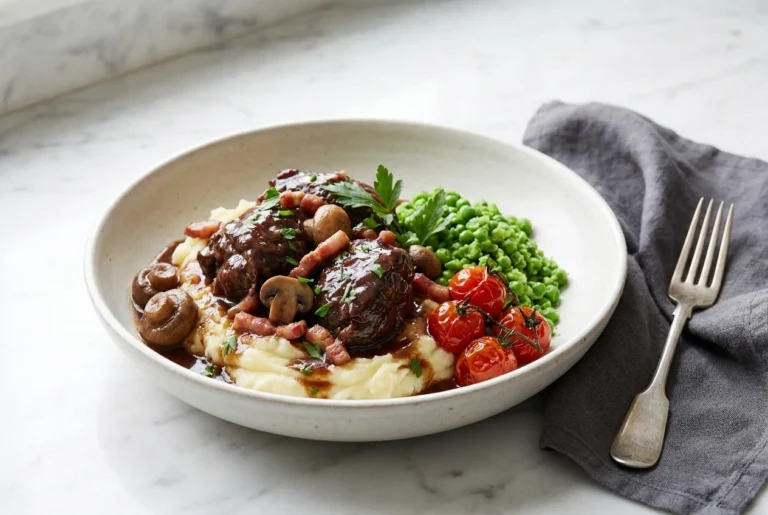
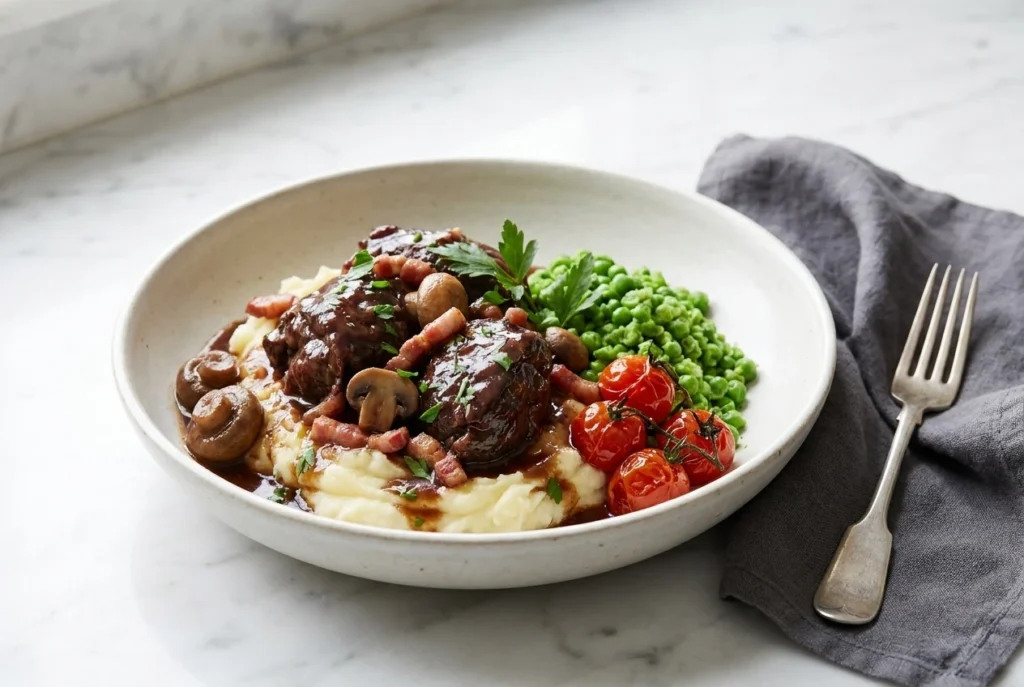
A truly great beef bourguignon comes down to two things: the right cut of meat and the patience to cook it low and slow. It’s a dish that rewards a thoughtful approach, transforming a tough, hardworking muscle into something unbelievably tender. This is the perfect project for a winter weekend—it fills the house with an incredible aroma and delivers a deeply satisfying meal.
Here at our Church Street shop, we can set you up with beef cheeks that are perfectly trimmed and ready for the pot. You can find our complete, step-by-step guide to bringing this classic French stew to life right here.
Why Beef Cheeks are the Ideal Cut for Bourguignon
Plenty of cuts work for a bourguignon, but none perform quite like beef cheeks. As the name suggests, this is the cheek muscle of the cow, and it’s a muscle that’s working all day long wikipedia.org, 2024. All that work develops a deep, beefy flavour and weaves the muscle with thick bands of connective tissue.
That connective tissue is rich in collagen, which is the secret to the dish’s signature texture. Raw, the meat is tough. But after a long, slow braise, that collagen melts away into soft gelatine wikipedia.org, 2024. It’s a process that creates a tender, succulent result that leaner cuts just can’t replicate.
The first step to success is getting a deep, aggressive sear on the meat. Before you add any liquid, you need to brown the cheeks in a hot, heavy-based pan until a dark crust forms. This caramelisation builds a massive amount of foundational flavour. Skip it, and the whole dish will taste less intense.
How to Build a Deep Flavour Base
Once the cheeks are seared and set aside, you’ll start building flavour in that same pan. Start with some diced, thick-cut bacon, rendering it slowly to release its fat. Next, gently cook your aromatic vegetables—onion, carrot, and celery—in that same fat until they’re soft and sweet. Don’t rush this part, or you can end up with a harsh, raw-vegetable taste in your finished sauce.
The quality of your wine is just as important. A rule we live by at the shop is to only cook with a wine you would happily drink. A cheap, thin red makes a cheap, thin sauce. It’s that simple. For a dish this rich, you need a full-bodied dry red with enough structure to stand up to the beef. We suggest a Victorian Shiraz or a Cabernet Sauvignon from the Yarra Valley. These wines have the body and flavour to handle hours of cooking while adding real depth and complexity.
The Secret to Perfectly Tender Meat is a Slow Braise
Patience really is the most important ingredient here. The only way to break down all that connective tissue is with low, gentle heat over a long time. We suggest an oven temperature of around 170°C for at least 3 to 3.5 hours. This gentle heat gives the collagen time to convert to gelatine without boiling the stew, which can make the meat seize up and turn tough.
You’ll know the cheeks are ready when they’re “fork-tender”. That just means you can shred the meat with gentle pressure from a fork—it should pull apart with almost no resistance at all.
Tip: Make It Ahead This is an ideal dish to prepare the day before a dinner party. Once cooled, the flavours will settle and deepen overnight. Reheat it gently on the stovetop for an even richer result.
Finishing the Dish with a Rich Silky Sauce
Now for the final touches that bring the whole dish together. Towards the end of the cooking time, you’ll add sautéed mushrooms and the reserved bacon. Tossing them in late means they keep their own texture and flavour instead of getting lost in the stew.
Your greatest asset for a classic, glossy sauce is the braising liquid itself. For a thicker, more luscious consistency, you can strain the liquid after the cheeks are cooked. A great trick is to blend the softened vegetables right into the liquid to act as a natural thickener (no flour needed!). Simmer this enriched sauce gently to reduce it slightly, until it becomes a silky gravy that perfectly coats the tender meat.
What to Serve with Your Beef Bourguignon
The perfect partner for this rich stew is something that can soak up every last drop of that incredible sauce.
- Creamy Mashed Potato: This is the classic choice for a reason. A smooth, buttery mash is the ideal base for the tender beef and a generous helping of sauce.
- Crusty Bread: A fresh, crusty baguette is essential. For our customers in Bayside, getting one from a quality local bakery makes all the difference for mopping the plate clean.
- Roasted Vegetables: For a hearty Melbourne winter meal, serve the bourguignon alongside simple roasted root vegetables. Parsnips and carrots, sweetened by the oven, are a perfect seasonal match.
This recipe is a true celebration of a humble cut of meat, and it’s a rewarding project that delivers a memorable meal. We hope you’ll give it a try.
For the exact ingredient measurements and step-by-step method, see our full recipe. And when you’re ready to cook, pop into our Church Street Butcher shop—we’ll get you set up with beautifully trimmed, locally sourced beef cheeks.