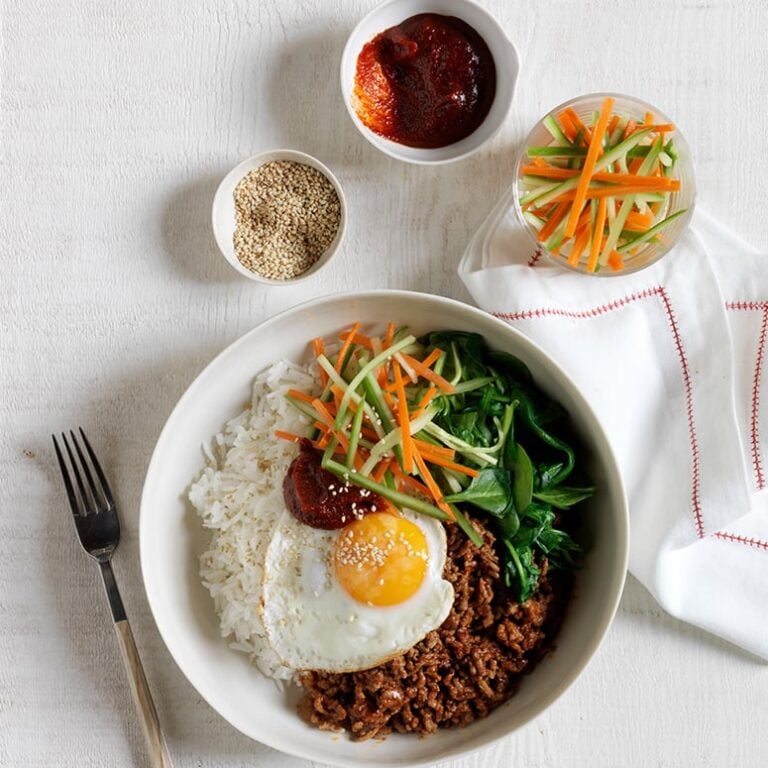
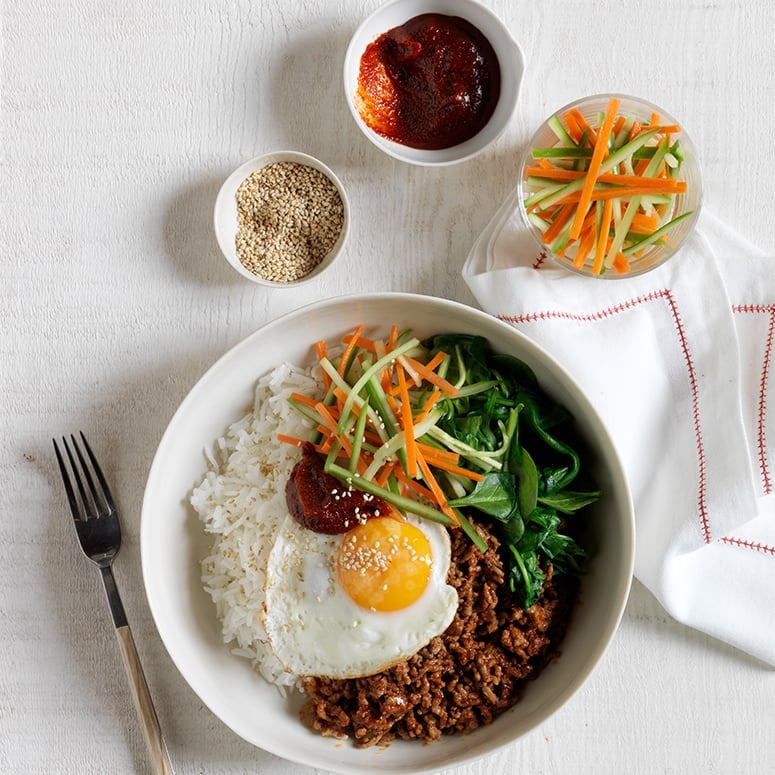
Finding time to cook can feel impossible once school pickups, sport, and deadlines collide, yet a shared meal still anchors the family week. Korean Bibimbap literally meaning “mixed rice”, fits that gap brilliantly: steamed rice topped with colourful vegetables, an egg, chilli paste, and, in this version, quick-cooked spicy beef mince. The dish delivers balanced nutrition in minutes and lets everyone assemble their own bowl, so fussy eaters stay happy. Better still, choosing grass-fed beef adds an unmistakable depth of flavour and a welcome nutrient boost, proving that convenience and quality can share the same plate.
Why Choose Grass-Fed Beef
Grass-fed beef contains more omega-3 fats and antioxidant vitamins A and E than grain-fed alternatives, supporting heart health and reducing everyday inflammation. These benefits sit neatly alongside a leaner fat profile, which helps families keep an eye on kilojoules without skimping on taste. Purchasing grass-fed options also supports lower-impact farming – pastured cattle generally require fewer inputs and can improve soil health through natural grazing.
Australian shoppers are increasingly voting with their wallets, and the growing availability of grass-fed beef at local butchers like Church Street Butcher makes the choice straightforward.
Time-Saving Tips for Busy Families
Meal-prep in pockets of downtime
Cook a large batch of brown or white rice on Sunday, then chill it in shallow containers; it reheats perfectly in the microwave. Blanch or sauté vegetables such as carrot ribbons, baby spinach, and zucchini ahead of time and store them in separate tubs.
Adjust the heat for younger palates
Keep gochujang on the table instead of mixing it through the mince. Children can add a small dab (or skip it altogether), while adults spoon on as much fire as they fancy.
Leverage kitchen helpers
A rice cooker guarantees fluffy grains without supervision, and a non-stick skillet browns the mince in under five minutes. Pre-washed salad mixes make an instant vegetable layer when chopping time is tight.
Mid-Week Flexibility You’ll Love
Once you master the base method, Bibimbap becomes a template rather than a fixed recipe. Swap beef mince for tofu, chicken, or leftover roast meat; change the vegetables to match the fridge contents; or trade rice for quinoa when you need extra fibre. By choosing Australian produce—think free-range eggs, locally grown greens, and grass-fed beef—you keep food miles down and freshness high. More importantly, you create a dinner ritual that invites the family to sit, chat, and recharge before the next day’s chaos begins.